Your mom repeats the same question three times in one phone call, and you laugh it off. Then she forgets to turn off the stove, or gets turned around driving to a grocery store she’s been going to for twenty years. Somewhere in there, a quiet thought creeps in: is this more than just getting older? We’re The Sarah House in Ormond Beach, and we sit with families going through exactly this every week. Many families find themselves unsure about when to begin exploring memory care options.
Families in Ormond Beach should consider memory care for early-stage Alzheimer’s when small signs appear, such as repeated questions, misplaced items, or close calls while cooking or driving. Moving earlier keeps options open. One location offers specialized memory care with around-the-clock staff, and families receive regular updates and meetings.
Catching the Signs Early Makes a Real Difference
Early-stage Alzheimer’s rarely looks dramatic. It shows up in small slips, a missed bill, a forgotten name, a familiar recipe that comes out wrong, and it’s easy to explain each one away. Those moments add up faster than families realize, and waiting until a crisis forces the decision often means fewer options and more stress for everyone. We’d rather you reach out to us at The Sarah House too early than too late.
What early-stage Alzheimer’s actually looks like at home
The early signs are usually subtle enough that families second-guess themselves for months. Someone might still hold a normal conversation but lose track of what day it is, or misplace items in strange places, like keys in the freezer. They might still drive and cook, but you notice a few close calls that make your stomach drop. None of this means a move has to happen right away, but it’s worth an honest talk with their doctor, and with us, about what support might help now.
Why waiting for a crisis usually backfires
Families often wait for things to get “bad enough” before considering memory care, but by then decisions get rushed and options narrow. Moving earlier, while your loved one can still take part in the decision and settle into a new routine, tends to go more smoothly than a move forced by an emergency. Our approach to dementia and Alzheimer’s care at The Sarah House puts real weight on preserving dignity and independence, which is easier before a major decline than after one.
What daily life looks like in memory care at Tomoka Road
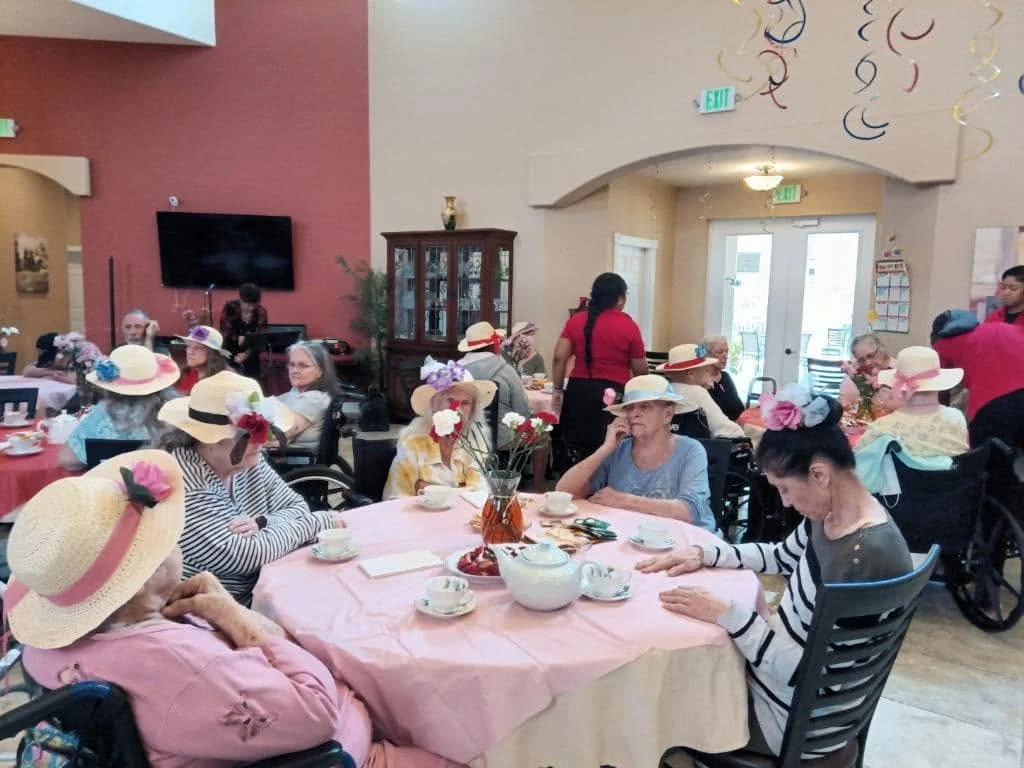
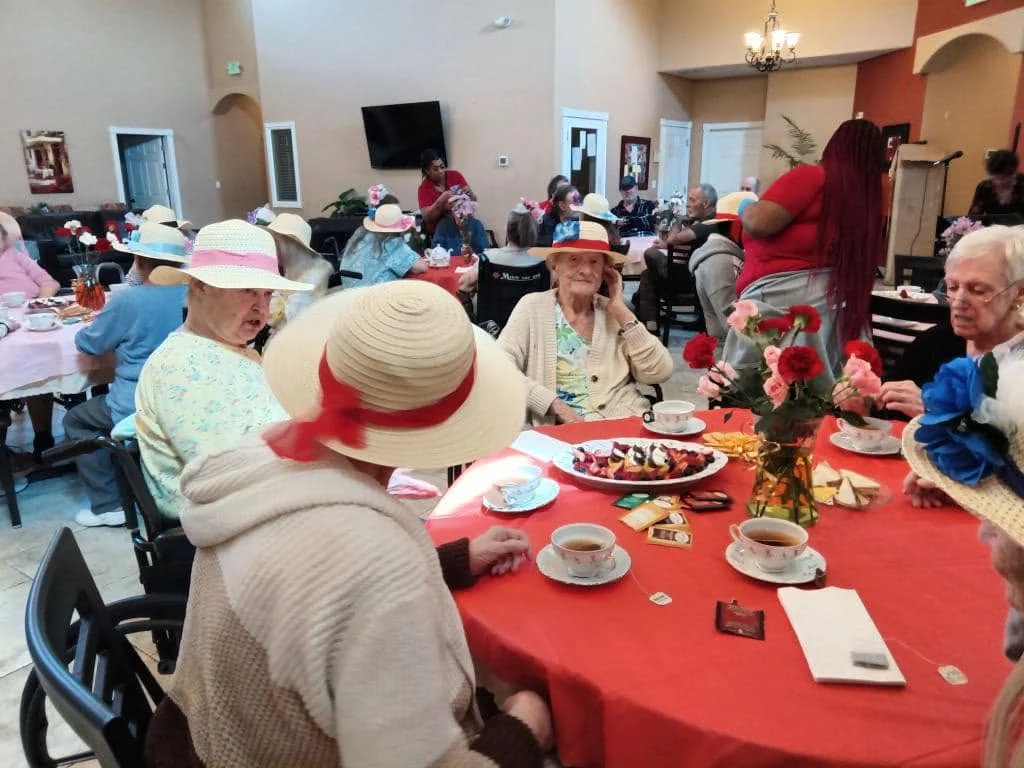
Our Old Tomoka Road location provides specialized memory care for residents with dementia and Alzheimer’s, alongside assisted living for those who don’t need that extra layer of support. We keep compassionate staff nearby around the clock, serve homestyle cooked meals with help at mealtime when needed, and build daily activities around keeping the mind and body engaged. We lean on all five senses, since that engagement often reaches residents in ways conversation alone can’t.
How your family stays close after the move
Choosing memory care doesn’t mean stepping back from your loved one’s life, it just changes what your role looks like. We keep you updated regularly and hold family meetings whenever you’d like one, so you’re never left wondering how your parent’s week has gone. We also welcome families into everyday moments at The Sarah House, like planting flowers together or decorating for the holidays, which often become some of the most meaningful visits once the adjustment passes.
Conclusion
If you’ve noticed changes in a parent or spouse and wondered whether it’s time for memory care, you’re probably already ahead of where most families are when they first call us. You don’t need a diagnosis in hand to reach out. We’re glad to talk through what you’re seeing, show you around Old Tomoka Road in person, or answer questions at (386) 267-8012, or through our contact page. There’s no wrong time to start the conversation with us at The Sarah House.
Frequently Asked Questions
How do I know if it’s early-stage Alzheimer’s or just normal aging?
Only a doctor can make that call, but a pattern of memory lapses, confusion, or judgment changes beyond occasional forgetfulness is worth raising with their physician. We’re happy to talk through what you’re observing too.
Which of your two communities handles memory care?
Old Tomoka Road provides specialized memory care for residents with dementia and Alzheimer’s, alongside assisted living. Our Forest Court location offers assisted living only.
Will my loved one lose their independence in memory care?
We build our whole approach around the opposite goal, encouraging independence and a sense of purpose with daily activities designed to help residents feel engaged and dignified, not just cared for.
Can our family stay involved once Mom or Dad moves in?
Yes, and we genuinely want you to. Families take part in everyday activities with us, with regular updates and family meetings whenever you need one.