How to Communicate Effectively with a Loved One Who Has Dementia
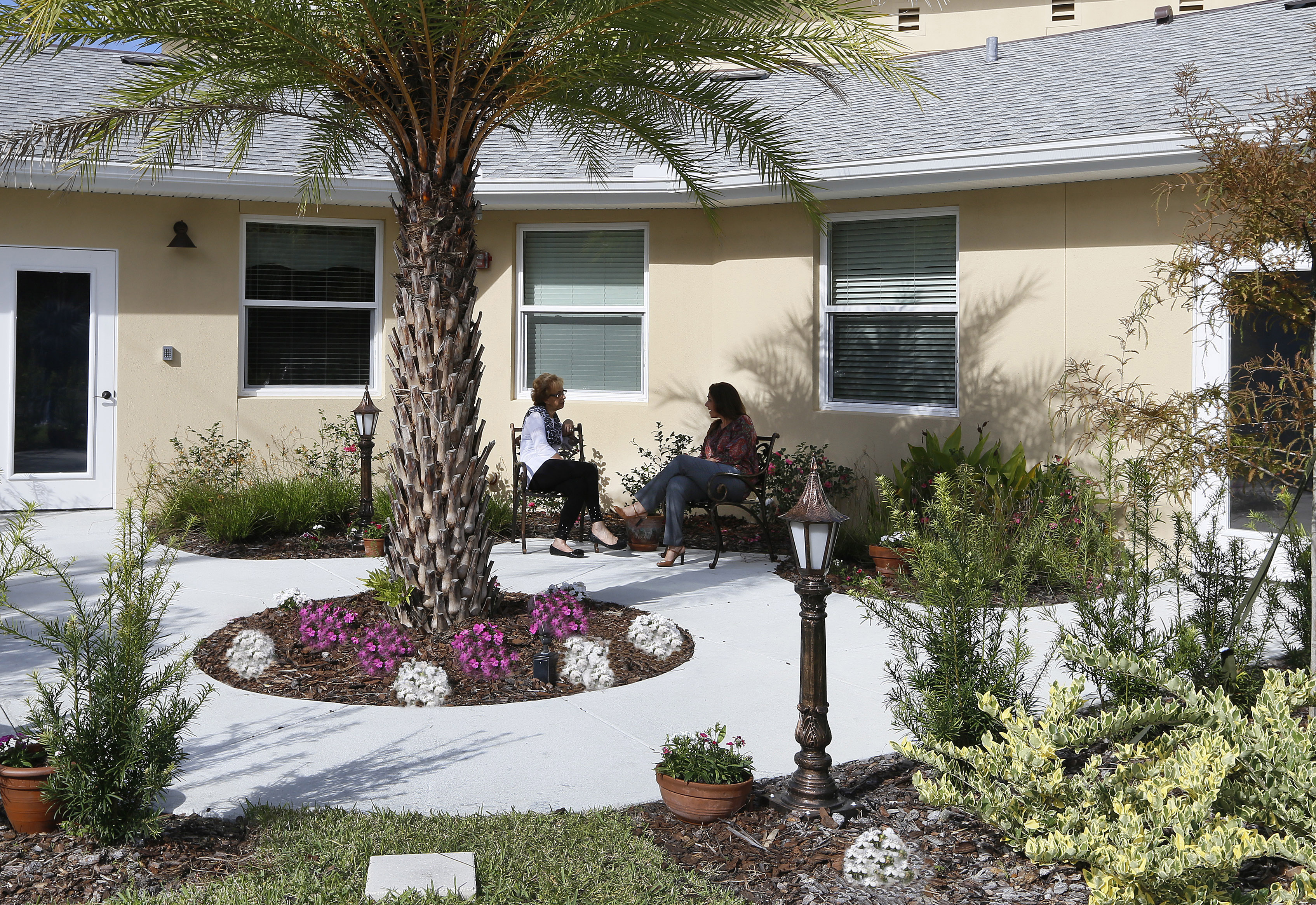
Talking to someone you love after dementia changes them is one of the hardest things a family can learn to do. The words don't always land the way they used to. A familiar face sometimes draws a blank look. Conversations that once flowed easily now stall halfway through. At Sarah House at Old Tomoka Road, we've supported dementia and Alzheimer's residents for two decades, and we've watched countless families find their way back to real connection. Meaningful conversation is still possible. The path to it just changes shape.
Why Communication Changes in Dementia Care
Dementia affects the parts of the brain responsible for language, memory, and emotional processing, which means a conversation that felt simple yesterday may feel impossible today. Your mom may search for a word that won't come. Your dad may answer a question you didn't ask. These moments aren't stubbornness or distance. They are the disease, and recognizing that shift is the first step toward connecting in a new way. Our memory care approach at Old Tomoka Road treats every interaction as a chance to support dignity, even when words fall short.
Slow Down to Match Your Loved One's Pace
Speed is one of the biggest barriers in dementia communication. A rushed sentence, a quick question, a follow-up before the first answer arrives, all of it can overwhelm someone whose mind is working harder than yours to keep up. Speak slowly, leave space, and let them think. Use short sentences with one idea at a time. If you ask a question, wait longer than feels natural for the answer. Silence is not failure. There's room for your loved one to find what they want to say.
Use Familiar Senses to Support Connection
Memory care thrives when more than just words are involved. Our care approach for residents with dementia at Old Tomoka Road includes promoting the use of all five senses, because sights, sounds, smells, textures, and tastes can reach a loved one when language alone can't. The point isn't to test their memory or correct what they remember. It's to be present in their experience with them.
Build Routines That Make Conversations Easier
Familiarity reduces the anxiety that makes communication harder. Residents at Old Tomoka Road follow daily regimens that include physical activity and daily tailored activities, because a predictable rhythm helps a person with dementia feel more grounded. The same idea applies during your visits. Small rituals that don't depend on memory often carry richer conversation than brand new settings or surprises do.
Stay Connected Through Our Support at Old Tomoka Road
Families don't have to learn this alone. Our caregivers at Old Tomoka Road have at least five years of experience with seniors before joining the team, and they're trained to recognize, value, and help the human spirit thrive even when dementia changes the way it expresses itself. We provide 24-hour communication, daily and weekly updates, and family meetings whenever you ask for one, so you always know how your loved one is doing. Visiting hours run 9 a.m. to 9 p.m., and you can designate an essential caregiver for additional in-person visitation.
Conclusion
Communication with a loved one who has dementia is rarely about getting the words right. It's about showing up calm, slowing down, and finding the channel that still works between you. To learn more about our specialized care for residents with dementia and Alzheimer's at Sarah House at Old Tomoka Road, call (386) 223-1785 or request a tour at daytonaassistedliving.com.
FAQs
What kind of memory care does The Sarah House provide?
Sarah House at Old Tomoka Road offers specialized care for residents in all phases of dementia and Alzheimer's, with compassionate staff on site 24/7, medication management, daily tailored activities, and an emphasis on dignity and independence.
How will we know if our loved one is comfortable when words are hard?
Our caregivers are trained to observe residents for changes in behavior or mental status, and we share what we notice with families through our regular updates.
Can families be involved in daily memory care life?
Yes. Visiting hours run 9 a.m. to 9 p.m., and you can designate an essential caregiver for additional in-person visitation beyond regular hours.
How do we tour the memory care home?
Call (386) 223-1785 or use the Request a Tour form at daytonaassistedliving.com to schedule a visit to Sarah House at Old Tomoka Road.